Have you noticed your skin changing rapidly in the last year—becoming thinner, drier, and feeling like it has lost its “snap”? You aren’t imagining it. It’s likely not just aging; it is a specific condition known as Estrogen Deficient Skin (EDS).
Estrogen Deficient Skin (EDS) is a physiological condition caused by the decline of estrogen during perimenopause and menopause. This hormonal shift triggers a rapid loss of collagen (up to 30% in the first 5 years), resulting in thinning (atrophy), extreme dryness (crepiness), and a loss of structural density that standard moisturizers cannot repair.
Why is Estrogen Deficient Skin Different from “Regular” Aging?
Most anti-aging advice focuses on sun damage (photoaging). However, intrinsic hormonal aging is different. Estrogen is a powerhouse hormone that stimulates fibroblasts—the cells responsible for producing collagen, elastin, and hyaluronic acid.
When estrogen levels drop, those fibroblasts go dormant. The result isn’t just wrinkles; it’s a collapse of the skin’s architecture.
Key Fact: According to the American Academy of Dermatology, women lose approximately 30% of their skin’s collagen in the first five years of menopause. This is why your go-to moisturizer from your 30s suddenly feels ineffective. To treat Estrogen Deficient Skin, you don’t just need hydration; you need ingredients that mimic the effects of estrogen or aggressively stimulate the skin’s matrix.
What Ingredients Actually Work for EDS?
To restore density in 2025, skip the basic Hyaluronic Acid serums. You need heavy lifters. Look for these three classes of ingredients:
- MEP Technology: A non-hormonal ingredient that stimulates estrogen receptors in the skin without entering the bloodstream.
- Phytoestrogens: Plant-derived compounds (like Resveratrol and Genistein) that mimic estrogen’s effect on the skin.
- Proxylane & Peptides: Specialized molecules designed to re-densify the dermis and support the skin barrier.
The 5 Best Creams to Restore Density in 2025
We have curated this list based on clinical efficacy, ingredient density, and their ability to target crepey skin and hormonal dryness.
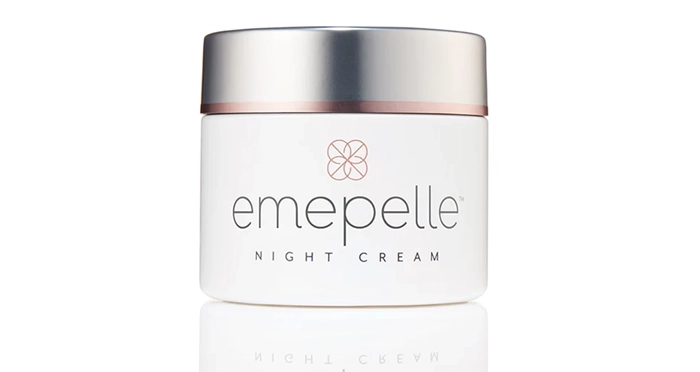
1. Emepelle Night Cream
The Specialist (Best Overall for EDS)
Emepelle is currently the only skincare line utilizing MEP Technology. This constitutes a breakthrough in treating Estrogen Deficient Skin because it addresses the root cause—the dormant estrogen receptors—without using systemic hormones.
- Why it wins: It doesn’t just hydrate; it wakes up your skin cells. Clinical studies showed a 54% increase in hydration and a 19% increase in firmness after 14 weeks of use.
- Texture: Rich, luxurious, and heavy—perfect for night use.
- Active Ingredients: MEP Technology, Retinol, Niacinamide.
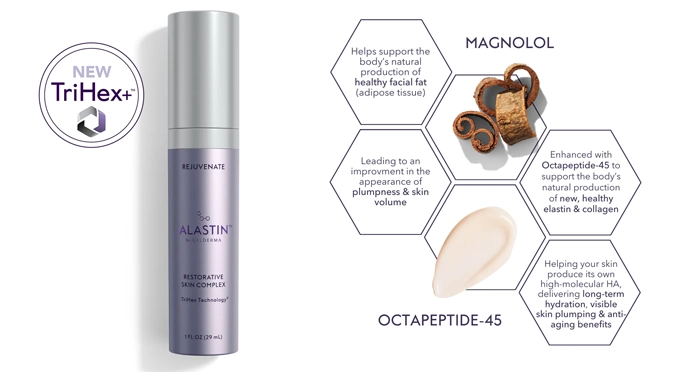
2. Alastin Restorative Skin Complex
The Medical-Grade Powerhouse (Best for Thinning Skin)
If your primary concern is the “thinning” or transparency of your skin, Alastin is the gold standard. While not strictly an “estrogen” cream, its patented TriHex Technology® clears out old, damaged collagen and elastin to make room for new growth.
- Why it wins: It targets the extracellular matrix (the scaffolding of your skin). It is highly recommended by dermatologists for pre- and post-procedure skin, making it incredibly safe and effective for fragile menopausal skin.
- Active Ingredients: TriHex Technology, Phytoene/Phytofluene (potent antioxidants).
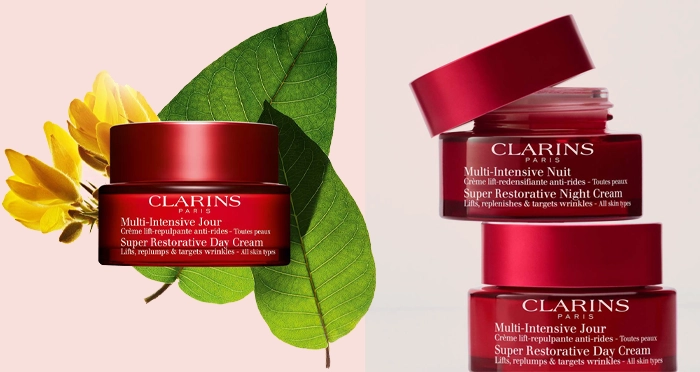
3. Clarins Super Restorative Day Cream
The Plant-Based Architect (Best for Lifting)
Clarins has studied hormonal aging for decades. Their Super Restorative line uses Organic Harungana, a plant extract they claim is as effective as retinol but gentler on sensitive, thinning skin.
- Why it wins: It targets fibroblast slackening. If your skin feels “loose,” this cream provides an immediate tightening sensation and long-term redensifying.
- Active Ingredients: Organic Harungana, Organic Gorse (to fight slackening).
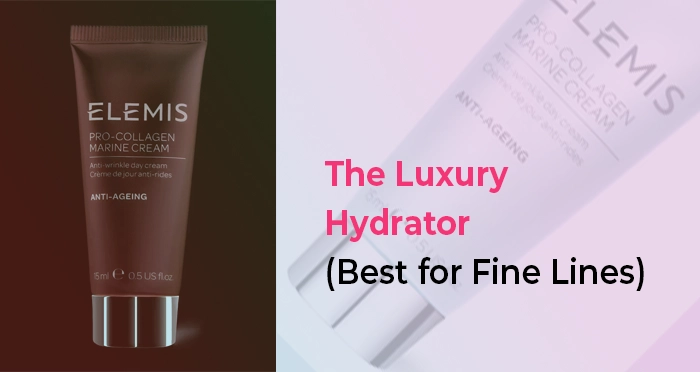
4. Elemis Pro-Collagen Marine Cream
The Luxury Hydrator (Best for Fine Lines)
For those who hate the feeling of heavy, greasy creams but need intense results, Elemis is the cult favorite. It uses Padina Pavonica, a unique Mediterranean algae that supports the skin’s hydration barrier.
- Why it wins: It provides clinically proven results in reducing the depth of wrinkles in 14 days. It is less about “hormone mimicking” and more about aggressive marine-based collagen support.
- Active Ingredients: Padina Pavonica, Chlorella, Ginkgo Biloba.
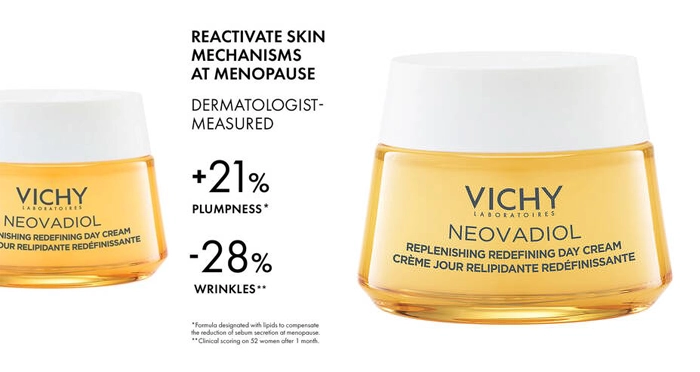
5. Vichy Neovadiol Redensifying Lifting Cream
The Science-Backed Choice (Best Value)
You don’t always have to spend $200 to see results. Vichy’s Neovadiol line is specifically engineered for peri- and post-menopause. It utilizes Proxylane and Cassia Extract to compensate for the visible impacts of hormonal fluctuations.
- Why it wins: Proxylane is a sugar-protein hybrid molecule known to increase skin thickness and density. It specifically targets the “papery” feel of Estrogen Deficient Skin.
- Active Ingredients: Proxylane, Cassia Extract, Hyaluronic Acid.
Comparison: Top Creams for Estrogen Deficient Skin
| Product | Key Technology | Primary Benefit | Best For |
| Emepelle Night Cream | MEP Technology | Reactivates estrogen receptors | Deepest Correction |
| Alastin Restorative | TriHex Technology | Clears damaged collagen | Thin/Fragile Skin |
| Clarins Super Restorative | Organic Harungana | Fibroblast stimulation | Slackening/Sagging |
| Elemis Pro-Collagen | Padina Pavonica | Intense hydration | Fine Lines/Texture |
| Vichy Neovadiol | Proxylane + Cassia | Redensifying layers | Daily Maintenance |
How to Maximize Results with Your Cream
Applying a cream is only half the battle. Because Estrogen Deficient Skin has a compromised barrier, you need to layer correctly.
- Don’t over-exfoliate. Your skin is thinner now. harsh scrubs can cause micro-tears.
- Layer with a lipid serum. Look for ceramides or squalane to seal the cracks in the skin barrier before applying your density cream.
- Internal Support. Consider discussing systemic HRT (Hormone Replacement Therapy) with your doctor, as topical treatments work best when supported by internal balance.
(Looking for a full regimen? Read our guide on [The Ultimate Morning & Night Skincare Routine for Post-Menopausal Dryness] for a step-by-step breakdown.)
Also, be mindful of sudden breakouts. It is a myth that acne stops at menopause. If you are breaking out while your skin is dry, you might need a specific approach.
(Check out: [Menopausal Acne vs. Teen Acne: Why Your Routine Needs to Change Immediately])
Key Takeaways
- EDS is Real: Estrogen Deficient Skin causes up to 30% collagen loss in the first 5 years of menopause.
- Ingredients Matter: Look for MEP Technology, Phytoestrogens, or Proxylane—not just basic moisture.
- Consistency is Key: It takes 8-12 weeks to see density changes in the skin.
- Top Pick: Emepelle remains the market leader for non-hormonal estrogen receptor stimulation.
Frequently Asked Questions (FAQ)
1. Can you reverse Estrogen Deficient Skin?
While you cannot fully reverse genetic aging, you can significantly improve density and thickness. Using products with MEP technology or Proxylane can restore the skin’s “bounce” and hydration levels to a pre-menopausal state.
2. Is retinol good for menopausal skin?
Yes, but proceed with caution. Menopausal skin is thinner and more prone to irritation. Use a “sandwich method” (moisturizer, retinol, moisturizer) or look for creams like Emepelle Night Cream that formulate retinol with soothing ingredients.
3. Does drinking collagen help estrogen deficient skin?
Oral collagen peptides can support skin hydration and elasticity, but they do not replace the hormonal signaling lost during menopause. They work best as a supplement to a high-quality topical regimen.
4. What is the best prescription cream for crepey skin?
Tretinoin (Retin-A) is the gold standard prescription for thickening the dermis. However, prescription estradiol creams (topical estrogen) are also prescribed off-label by some dermatologists for anti-aging.
5. How quickly does collagen drop after menopause?
Studies indicate a 30% drop in Type I and Type III collagen within the first five years of menopause, followed by a gradual decline of about 2% per year thereafter.
6. What is MEP Technology?
MEP (Methyl Estradiolpropanoate) is a synthetic molecule that mimics the effect of estrogen on skin cells to stimulate collagen production, but is metabolized in a way that prevents it from entering the bloodstream as a hormone.
7. Can I use these creams if I am on HRT?
Yes. Systemic HRT helps skin, but topical treatments target the skin directly and can enhance the effects of HRT for better luminosity and texture.
8. Why is my skin so dry even when I drink water?
Hormonal dryness is caused by a lack of oil production and a breakdown of the skin barrier, meaning your skin cannot hold the water you drink. You need lipid-rich creams to seal hydration in.
9. Is Vitamin C safe for menopausal skin?
Yes, Vitamin C is essential for collagen synthesis. However, choose a form like Tetrahexyldecyl Ascorbate (THD) which is oil-soluble and less irritating than L-Ascorbic Acid.
10. What is the difference between dry and dehydrated menopausal skin?
Dry skin lacks oil (sebum), which is common in menopause due to androgen/estrogen shifts. Dehydrated skin lacks water. Most EDS is both, requiring both humectants (water-grabbers) and emollients (oil-sealers).
11. Does removing ovaries cause Estrogen Deficient Skin?
Yes. Surgical menopause (removal of ovaries) causes a sudden and sharp drop in estrogen, often leading to more rapid and severe skin aging symptoms than natural menopause.
12. Are phytoestrogens as effective as real estrogen?
Topically, phytoestrogens (like those in the Clarins cream) are generally weaker than pharmaceutical estrogen but are effective at binding to estrogen receptors in the skin to trigger repair processes without systemic side effects.
13. What causes the “sag” in menopausal skin?
The loss of estrogen leads to a reduction in elastin fibers and a redistribution of facial fat pads. This structural collapse causes gravity to take over, resulting in jowls and sagging.
14. Can I use these creams on my neck?
Absolutely. The neck and décolletage have fewer oil glands than the face and are often the first areas to show signs of Estrogen Deficient Skin.
15. Is Emepelle worth the money?
For strict EDS symptoms (dryness + atrophy), Emepelle is widely considered the top investment because it is the only product utilizing MEP technology to address the hormonal root cause directly.